How Do Ionizing Bars Effectively Eliminate Static Charges on Object Surfaces?
Ionizing bars neutralize static charges on object surfaces by releasing balanced positive and negative ions. Their charge-elimination effectiveness depends on the synergy of ion generation, transmission, and neutralization efficiency. The specific mechanisms are as follows:
1. Core Charge-Elimination Principle: Ion Neutralization Effect
1.1 Ion Generation
Ionizing bars contain a built-in high-voltage generator (typically outputting 5-10kV). Through the "corona discharge" phenomenon at the tip of the electrodes, surrounding air molecules are ionized into equal amounts of positive and negative ions:
When an object’s surface is positively charged, negative ions released by the bar are attracted to neutralize it.
If the surface is negatively charged, positive ions move directionally to complete neutralization, ultimately bringing the surface charge close to zero.
1.2 Ion Transmission: Efficient Coverage Driven by Airflow
Ionizing bars use built-in fans (or external compressed air) to create directional airflow, which "pushes" the ionized particles to the target surface. Compared to devices relying solely on natural ion diffusion (e.g., ion fans), airflow significantly expands the effective range (up to 1-3 meters) and accelerates the combination of ions and charges. This makes them ideal for dynamic scenarios such as conveyor belts and production lines.
2. Key Designs and Parameters for Effective Charge Elimination
2.1 Ion Balance (Optimal Within ±50V)
High-quality ionizing bars must maintain a near 1:1 ratio of positive to negative ion output. Otherwise, residual opposite charges may remain on the object’s surface. Industry standards (e.g., IEC standards for the electronics industry) require ion balance to be controlled within ±50V to avoid secondary electrostatic contamination.
2.2 Charge Elimination Speed (Typically <1 Second at 30cm Distance)
Speed is positively correlated with ion concentration and airflow intensity. A qualified bar should reduce a 1000V static charge to below 100V within 1 second at 30cm, meeting real-time needs of high-speed production lines (e.g., film and paper printing industries).
2.3 Coverage Range and Uniformity
The bar length must match the object’s width (e.g., a 1.2-meter bar for a 1-meter-wide conveyor belt). Electrodes should be evenly spaced (usually 5-10cm apart) to prevent localized charge residues due to uneven ion distribution. Some high-end models (e.g., Simco-Ion IQ Power Bar) optimize edge coverage by intelligently adjusting output from individual electrodes.
2.4 Anti-Interference and Stability
Overload protection is essential to prevent short circuits caused by dust accumulation or moisture on high-voltage electrodes.
In high-humidity (above 60%) or dusty environments, choose corrosion-resistant casings (e.g., stainless steel) and self-cleaning electrode designs to reduce maintenance frequency.
3. Applicable Scenarios and Efficiency-Enhancing Tips
3.1 Typical Applications
Electronics Manufacturing: Eliminating static on PCBs and chips during transport to prevent dust adsorption or component breakdown.
Packaging and Printing: Preventing adhesion or wrinkling of films/plastic sheets caused by static during slitting/winding.
Textile Industry: Neutralizing static on chemical fiber fabrics to avoid fiber entanglement or spark discharges.
3.2 Practical Tips to Improve Effectiveness
Installation Distance: Maintain 30-50cm between the bar and the object surface (too close may cause secondary charging due to high voltage; too far leads to ion attenuation).
Airflow Direction: Angle airflow at 30° relative to the object’s movement to ensure ions "wrap" the surface.
Regular Calibration: Use an ion balance tester every 3-6 months to check ion balance, preventing performance degradation from electrode aging over time.
Through these mechanisms, ionizing bars efficiently resolve static issues on large-area, dynamic objects. When selecting a bar, prioritize ion balance, charge elimination speed, and environmental adaptability. Combine proper installation and routine maintenance to maximize charge-elimination performance.


 English
 Español
 Portugues
 Pусский
 Français
 Deutsch
 日本語
日本語 한국어
한국어 العربية
 Italiano
 Nederlands
 Polski
 ไทย
ไทย हिन्दी
 Indonesia
 Melayu
 Tiếng Việt
 বাংলা
বাংলা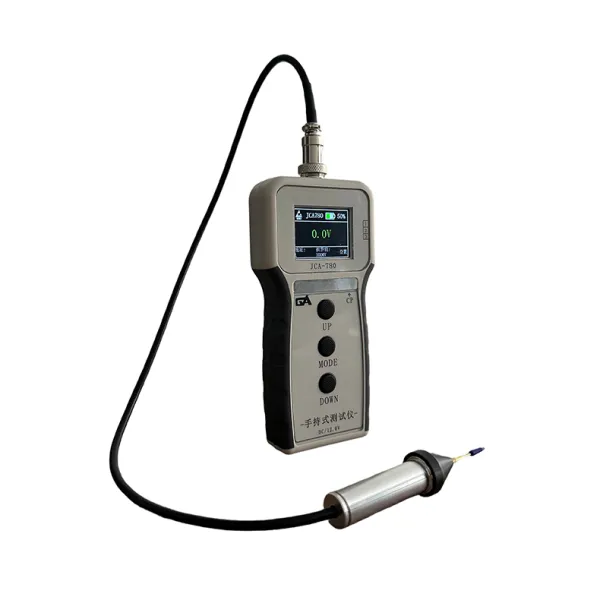 Portable Compact Isolated Conductor Tester - Precise Static Voltage Meter with Touchscreen Operation
 Touch-Operated Handheld ESD Tester - Accurate Static Detection Instrument
 Anti-Static High-Frequency Smart Soldering Station - Industrial-Grade Lead-Free Soldering Iron for Electronic Repair
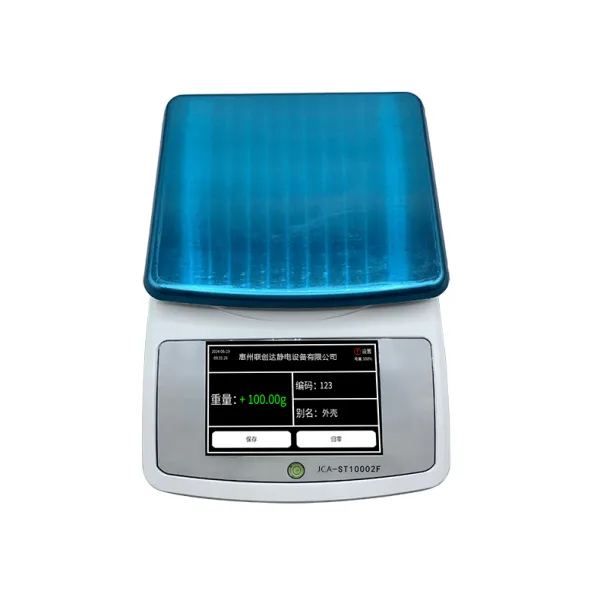 Lightweight Precision Industrial Scale - Portable High-Precision Weighing, QR Code Data Recording
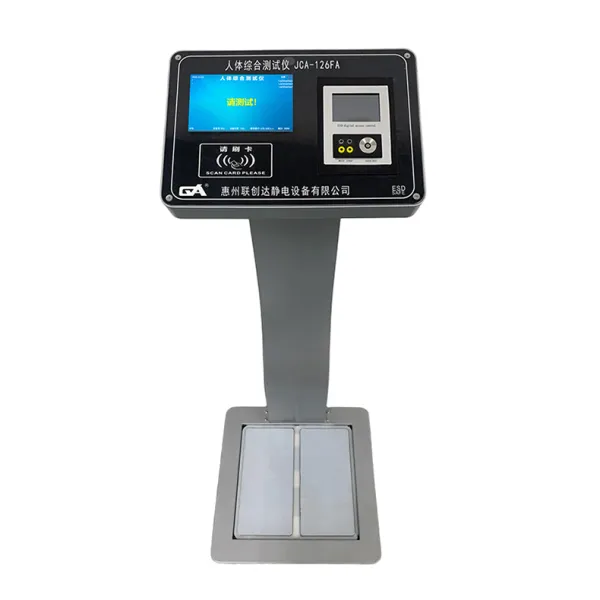 Pro ESD Human Body Comprehensive Tester - Anti-Static Access Gate with Biometric & Card Recognition
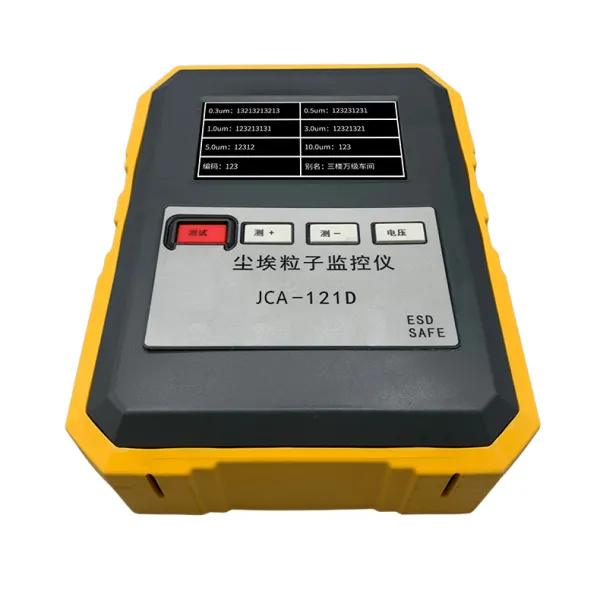 Lianchuangda Portable Particle Counter - Cleanroom-Specific Air Cleanliness Tester
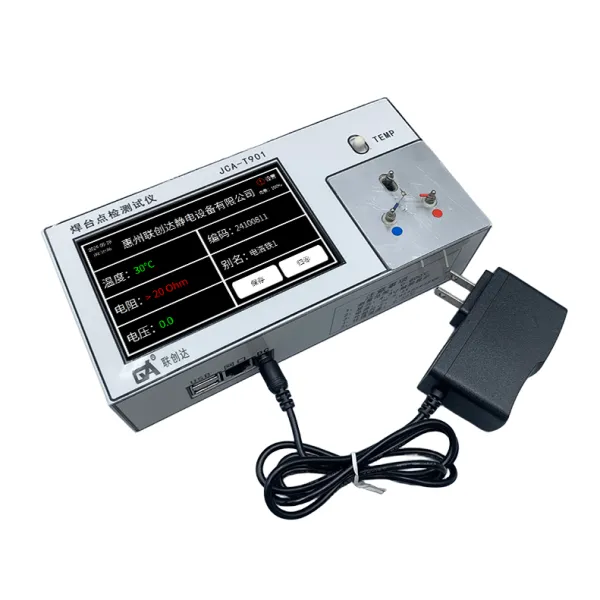 Lianchuangda Environmental Pressure Tester Wireless Digital Display & Grounding Monitoring
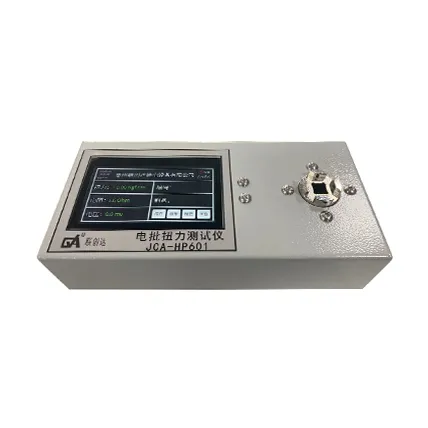 Digital Electric Screwdriver Torque Tester - Precise Measurement, Smart Data Storage
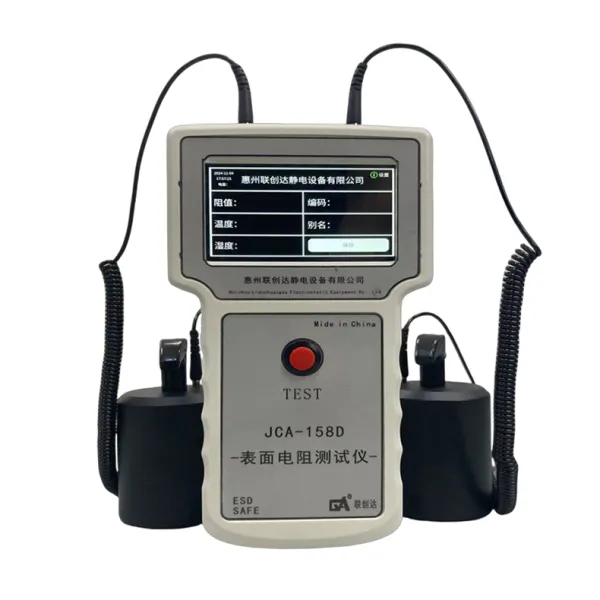 Portable Hammer Surface Resistance Tester - Smart Industrial Megohmmeter with Data Networking
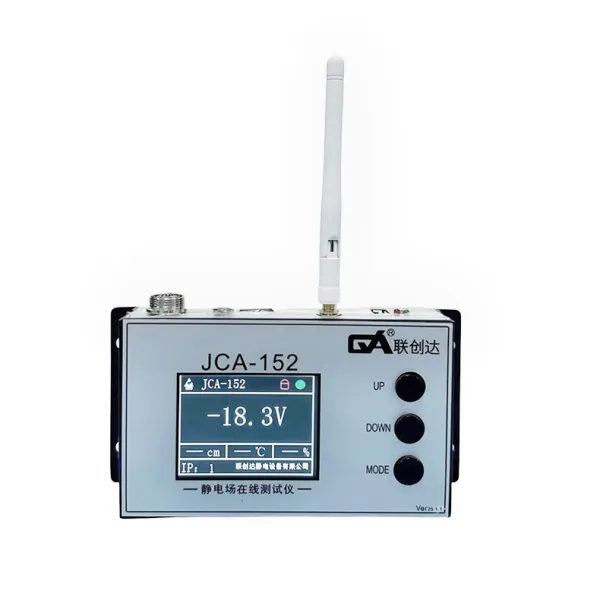 Wireless ESD Field Tester - Real-Time Voltage Monitoring, Easy Installation & Visual Operation
 Color Screen Wireless Ion Fan Static Tester with Voltage Measurement & Data Transmissio
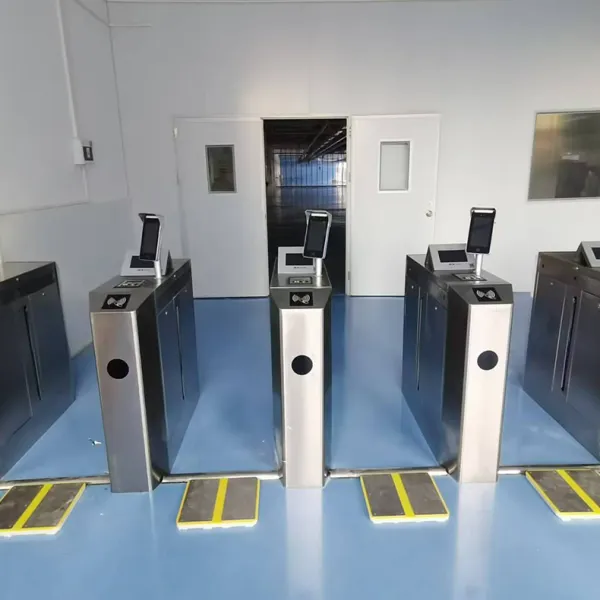 Lianchuangda Test Anti-static Access Control Turnstile JCA-S106 Supports MySQL Database
 Suspended 3-Head DC Ion Fan - Smart Quiet Static Eliminator, Customizable
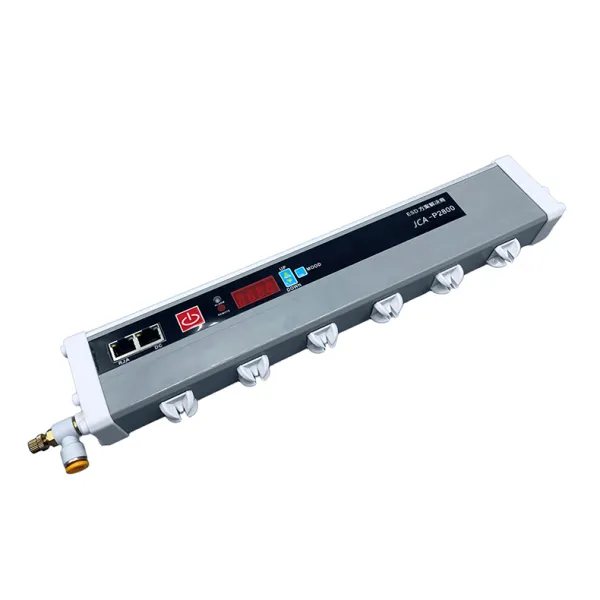 Pulse-Type ESD Ion Air Bar - Industrial-Specific Static Eliminator for ESD Removal
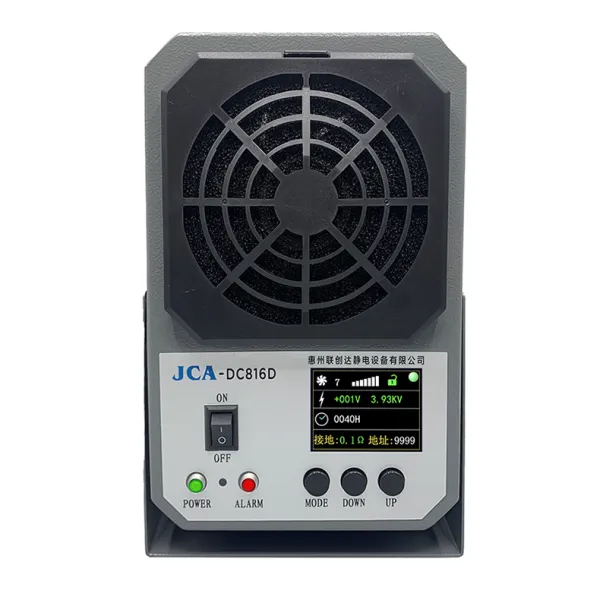 Lianchuangda Smart DC Ion Fan - Industrial-Grade Static Elimination for Factory Workshops
 Desktop DC Single-Head Ion Fan - Professional Static Eliminator with Wireless Network Connectivity
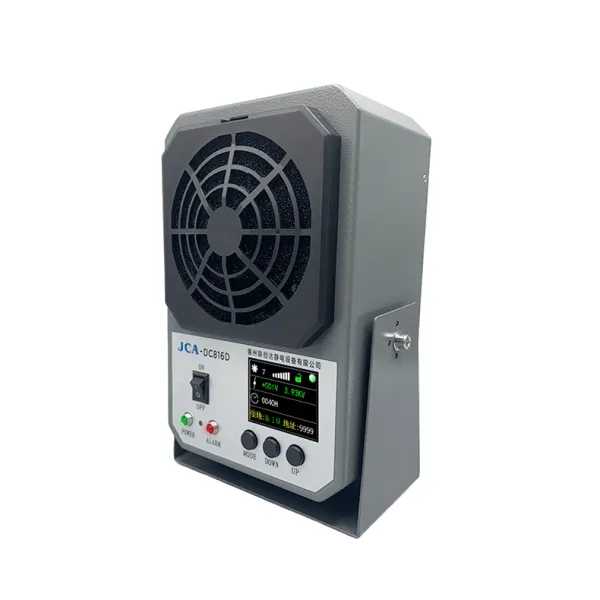 Intelligent DC Ion Fan Manufacturer Workshop Electronic Anti-Static Industrial-Grade Static Elimination Equipment
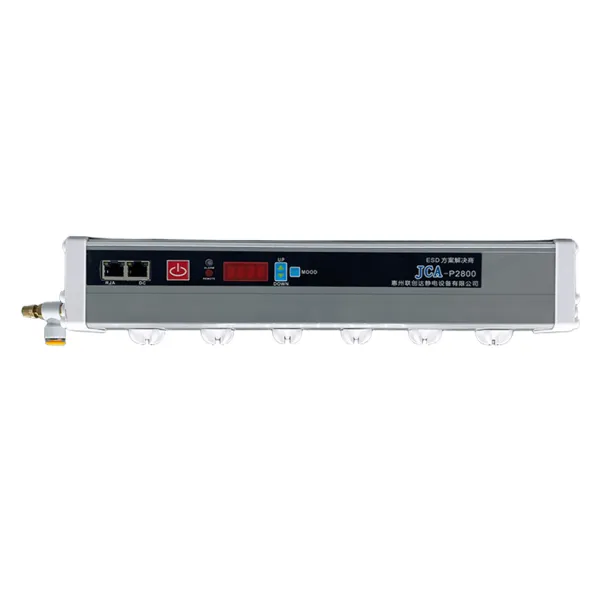 Industrial Static Elimination Pulse-type Anti-static Ion Air Bar Static Eliminator
 2.2-inch color screen three-air outlet ion fan static protection eliminates static electricity
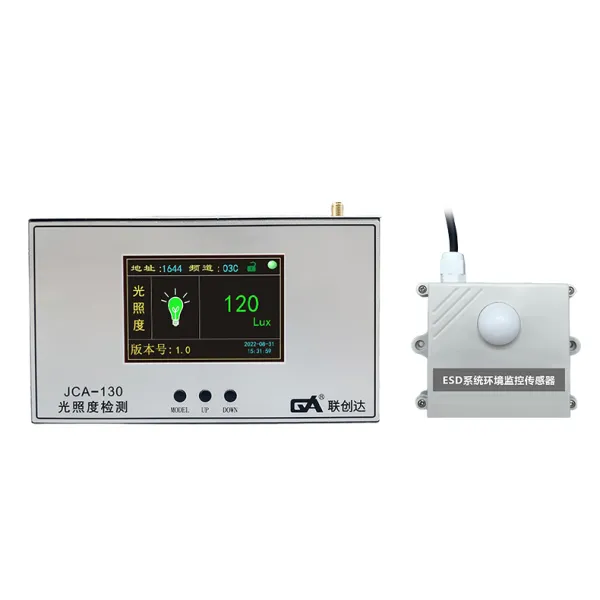 3.5 Inch Color LCD Wireless Digital Lux Meter - High-Precision Environmental Detector with Network Connectivity
 Smart Wireless Noise Detection Alarm System - Digital Tester for Environmental Monitoring with Networking
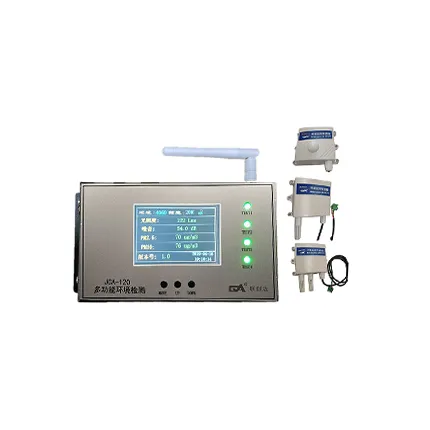 3.5 Inch Color LCD Wireless Multi-Functional Environmental Detector - Dust Particle Tester with WiFi Connectivity
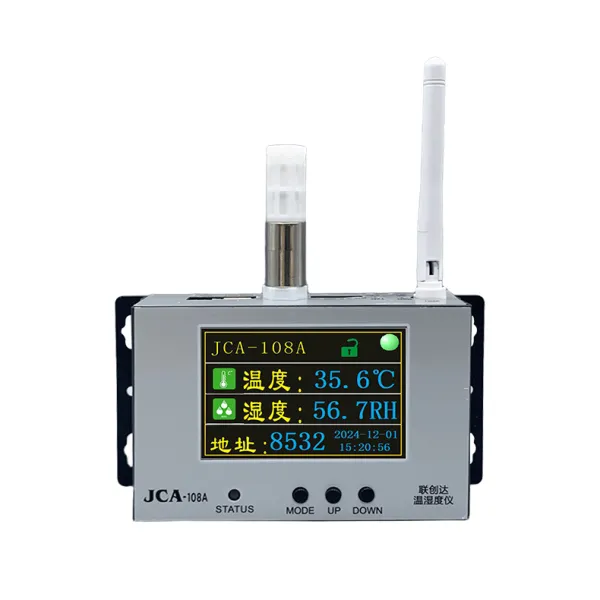 Wireless Temperature & Humidity Monitor - Smart Recorder with Remote Query & Data Transmission
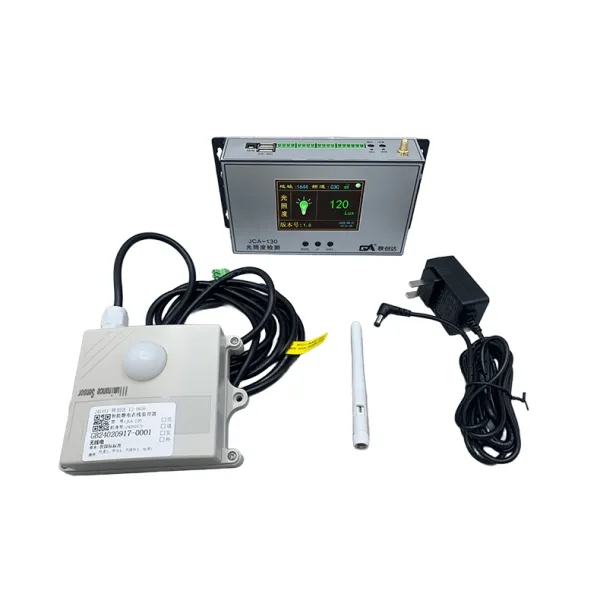 Lianchuangda Wireless Digital Display Illuminance Tester - 3.5-inch LCD Color Screen Dynamic Display High-Precision Environmental Tester



 Whatsapp
 Telefon
Yorum
(0)