


 English
 Español
 Portugues
 Pусский
 Français
 Deutsch
 日本語
日本語 한국어
한국어 العربية
 Italiano
 Nederlands
 Polski
 ไทย
ไทย हिन्दी
 Indonesia
 Melayu
 Tiếng Việt
 বাংলা
বাংলা


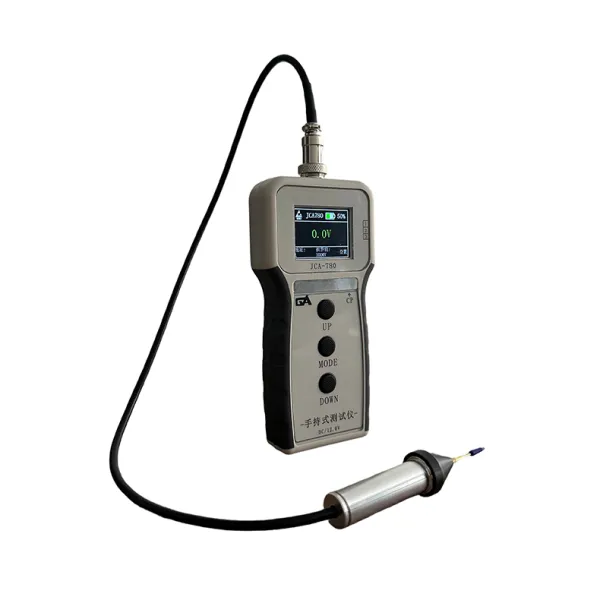


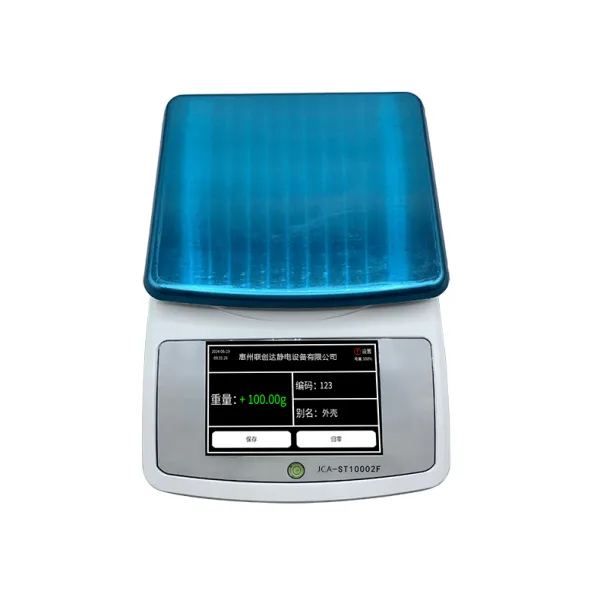
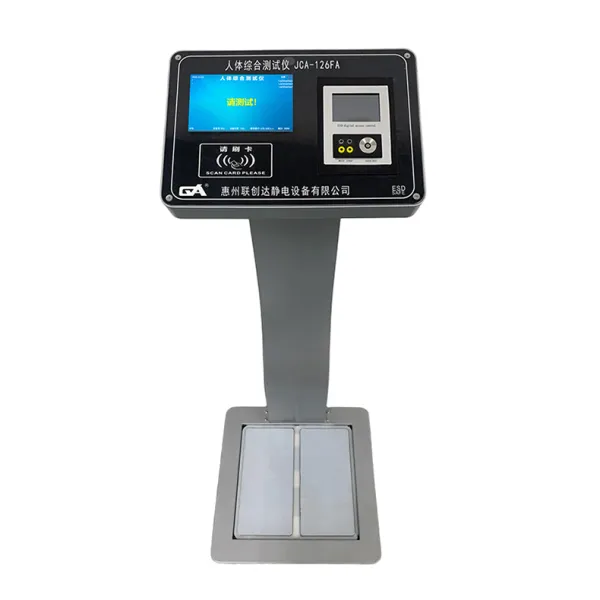
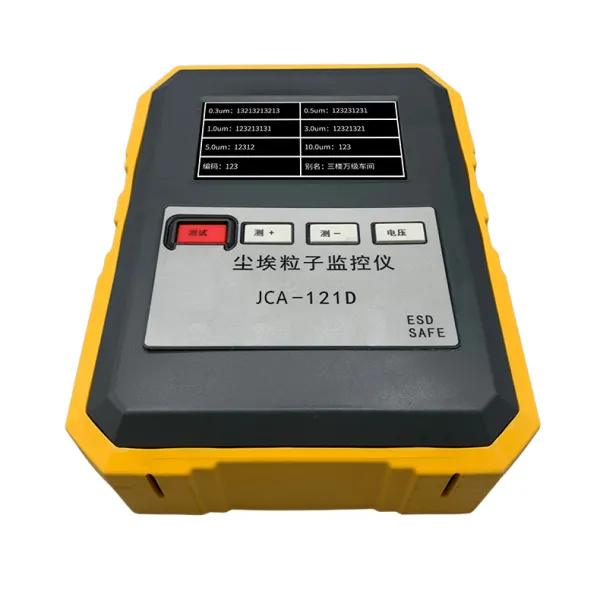
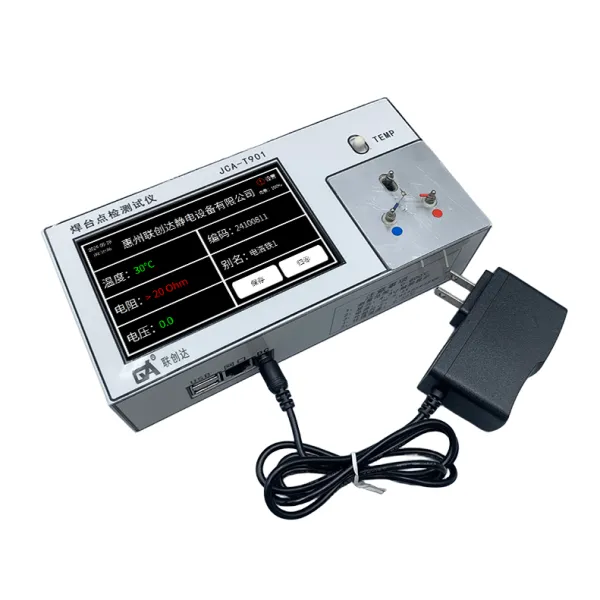
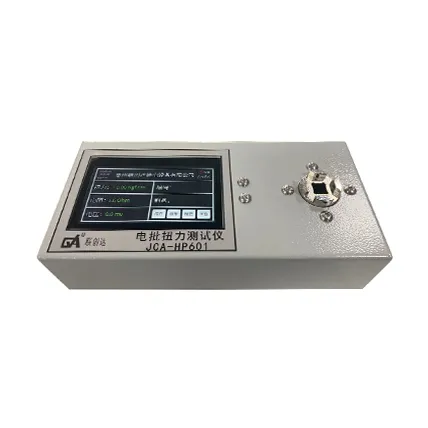
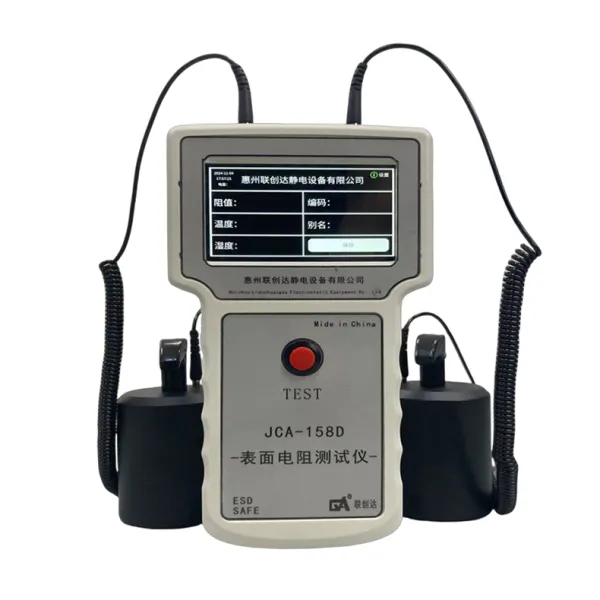
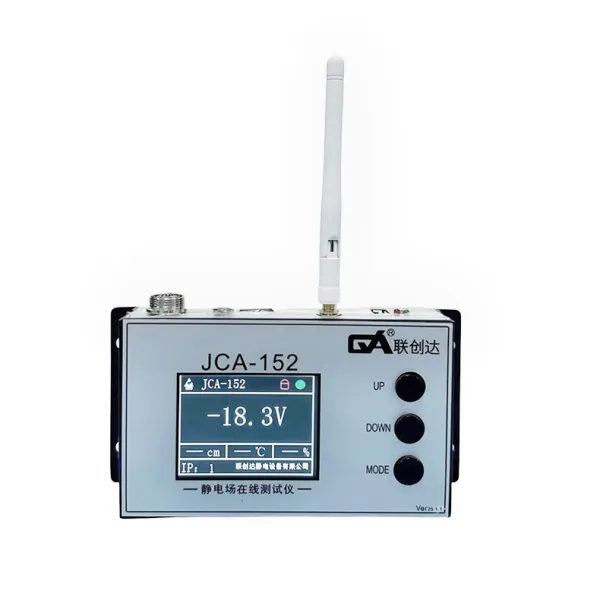







ESD Access Gate
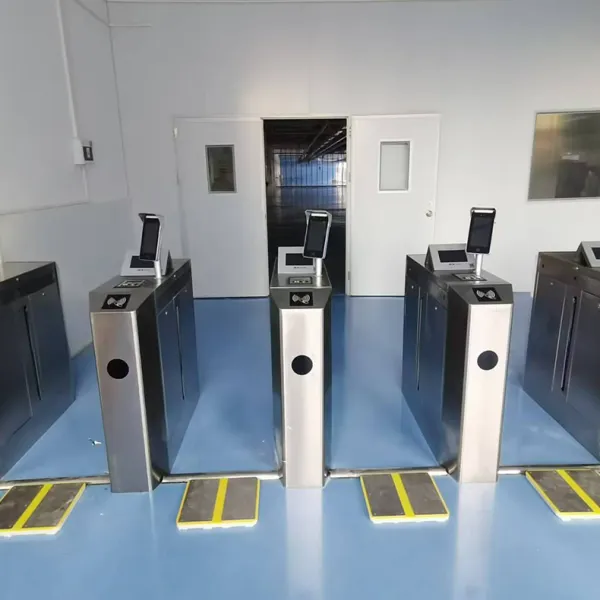
ESD Access Gate: A Critical Component in Electrostatic Discharge Protection An ESD (Electrostatic Discharge) Access Gate is a specialized entry control system designed to prevent electrostatic discharge hazards in sensitive environments such as electronics manufacturing, cleanrooms, laboratories, and data centers. It serves as a checkpoint to ensure personnel and equipment comply with ESD safety protocols before entering controlled areas where static electricity could damage delicate components or disrupt processes. Key Functions of an ESD Access Gate 1. Personnel Verification The gate typically includes sensors or touchpads to verify that individuals are properly grounded via wrist straps, footwear, or ESD garments. If the system detects inadequate grounding, it may deny access or trigger an alert until the issue is resolved. 2. Real-Time Monitoring Advanced gates integrate real-time resistance measurement to confirm that a person’s connection to the grounding system falls within safe limits (e.g., 1–10 megohms). Some models also log compliance data for audit purposes. 3. Access Control Integration Many ESD gates are linked to facility access systems (e.g., RFID badges or biometric scanners) to ensure only authorized personnel enter restricted zones. This dual-layer security prevents both ESD risks and unauthorized access. 4. Visual and Audible Alerts Immediate feedback is provided through LED indicators (e.g., green for approved, red for failure) or alarms, enabling quick corrective action. 5. Equipment Screening Certain gates include zones to test carts, tools, or materials for static-safe properties before they enter the controlled area. Importance in ESD-Sensitive Environments Electrostatic discharge can cause latent or catastrophic failures in microelectronics, leading to costly rework or product recalls. An ESD Access Gate acts as the first line of defense by enforcing grounding discipline and raising awareness. In industries like semiconductor fabrication or medical device manufacturing, even minor static events (as low as 100V) can harm components invisible to the naked eye. Design Considerations - Durability: Built to withstand high-traffic environments with robust materials. - User-Friendliness: Clear instructions and minimal delays to maintain workflow efficiency. - Customization: Adjustable thresholds for different ESD standards (e.g., ANSI/ESD S20.20 or IEC 61340-5-1). Conclusion An ESD Access Gate is indispensable for maintaining electrostatic control in critical environments. By combining access management with real-time ESD compliance checks, it mitigates risks while supporting operational efficiency. As technology advances, future iterations may incorporate AI-driven analytics or IoT connectivity for smarter static control. (Word count: 500)
ürün
sınıflandırma:
-
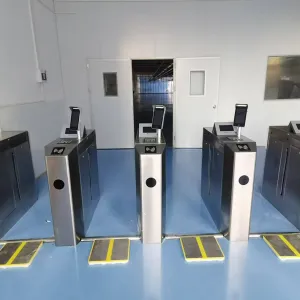
Lianchuangda Test Anti-static Access Control Turnstile JCA-S106 Supports MySQL Database
Sınıflandırmaları: Instrument detectionGörünümler: 26Sayı:Bırakma süresi: 2025-11-13 09:43:28The ESD (Electrostatic Discharge) access control system is a type of access control system used to detect the electrostatic charge carried by individuals before they enter an anti-static work area. It is an advanced product that integrates a human body electrostatic comprehensive tester, electrostatic access control equipment, and computerized management software. This ensures that workers have properly prepared for electrostatic protection before entering the electrostatic protection zone. Combined with turnstiles as the control equipment for pedestrian flow, the system offers multiple en...
Haber
sınıflandırma:
Arama sonucu yok!
Dava
sınıflandırma:
Arama sonucu yok!
Video
sınıflandırma:
Arama sonucu yok!
İndir
sınıflandırma:
Arama sonucu yok!
İşe Alım
sınıflandırma:
Arama sonucu yok!
Önerilen ürünler
Arama sonucu yok!



 Whatsapp
 Telefon