


 English
 Español
 Portugues
 Pусский
 Français
 Deutsch
 日本語
日本語 한국어
한국어 العربية
 Italiano
 Nederlands
 Polski
 ไทย
ไทย हिन्दी
 Indonesia
 Melayu
 Tiếng Việt
 বাংলা
বাংলা


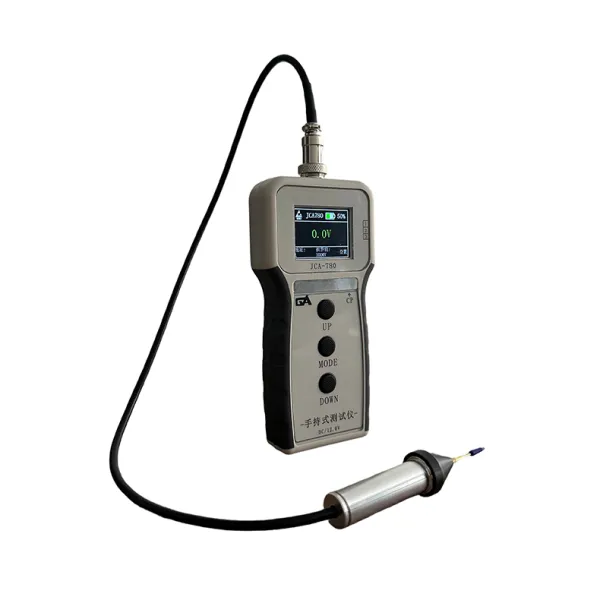


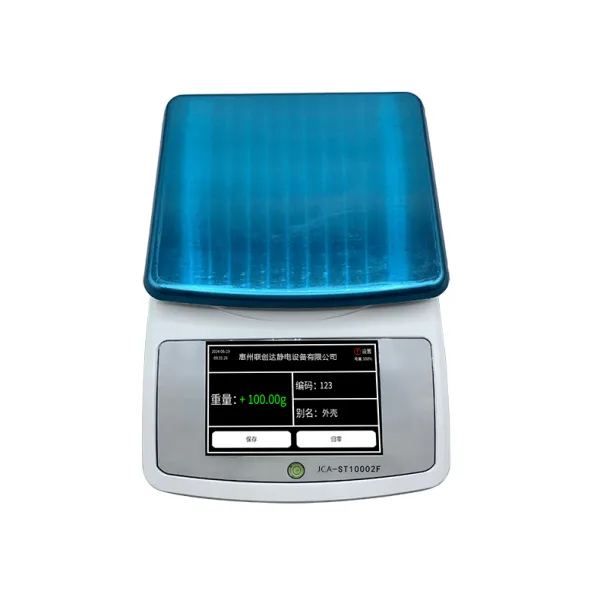
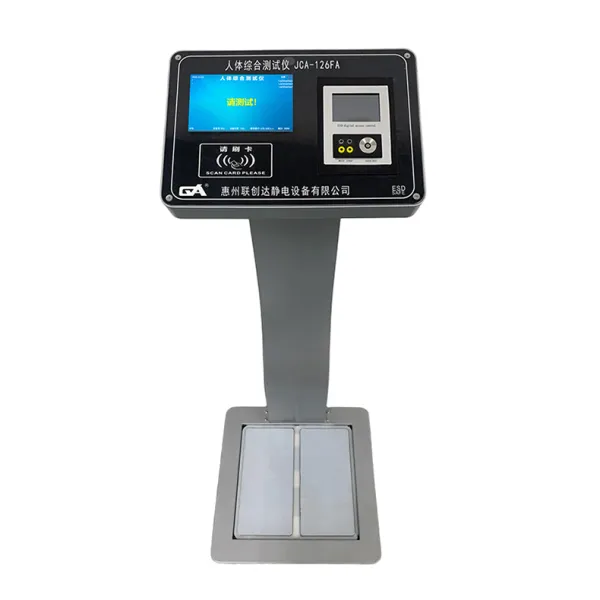
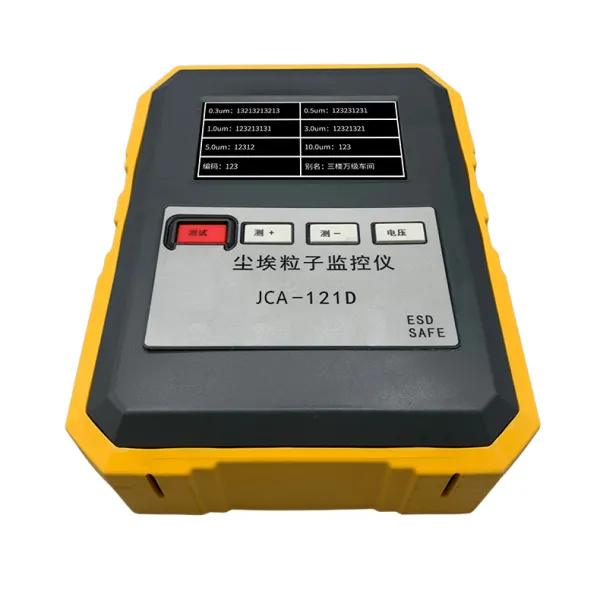



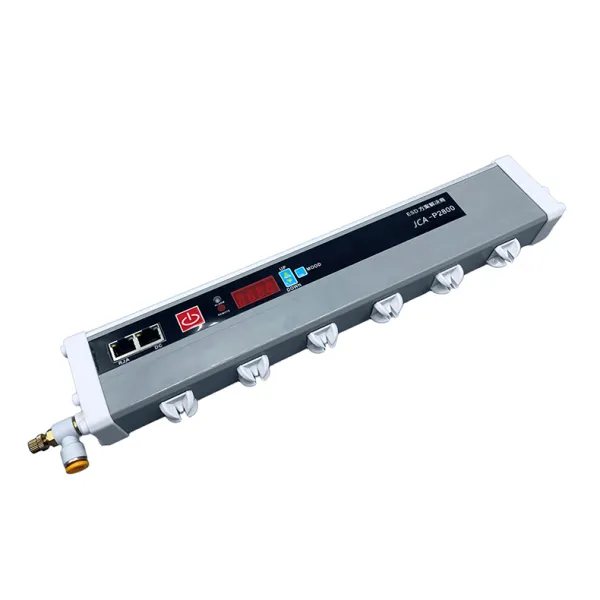
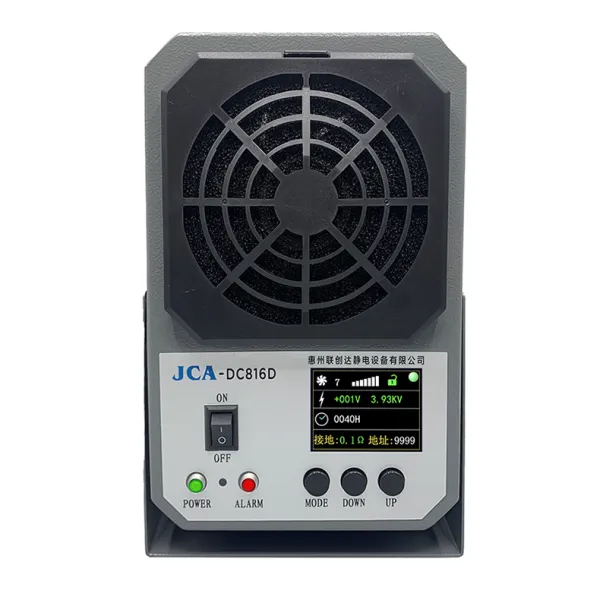

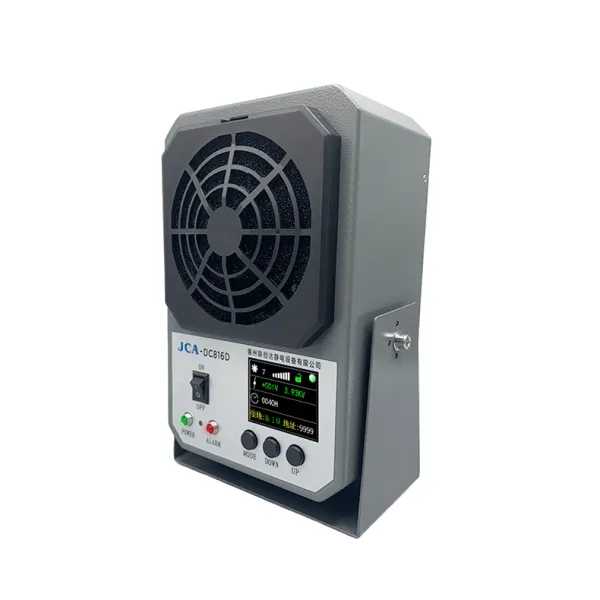
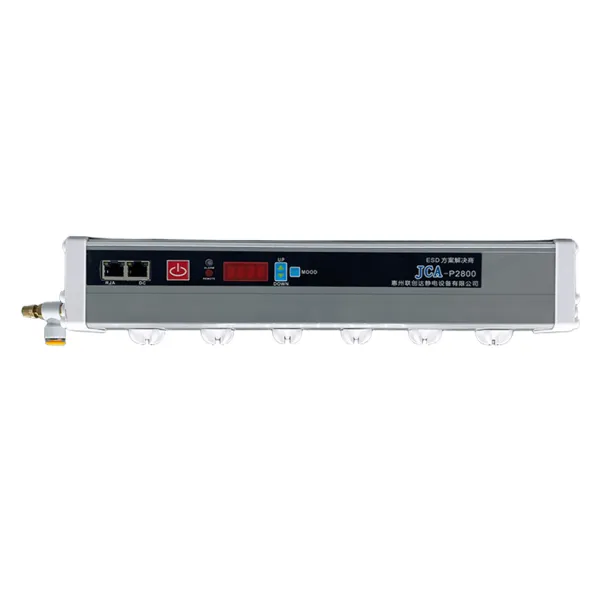

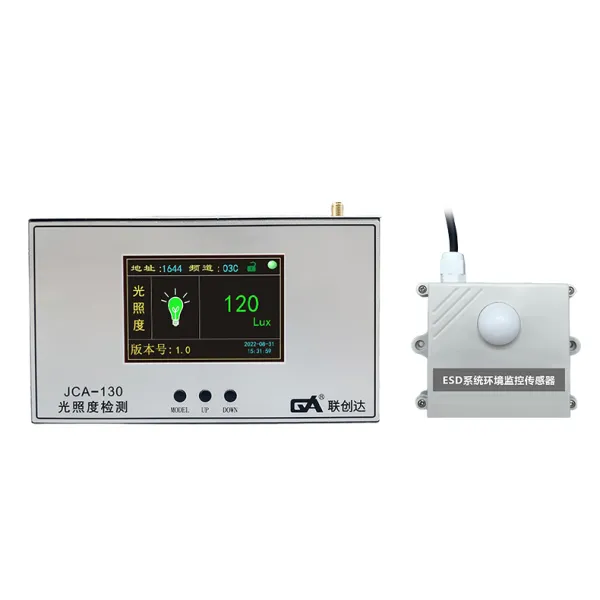

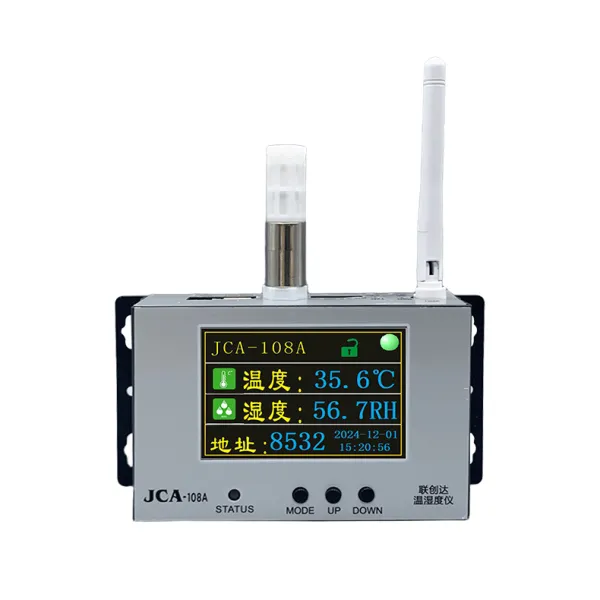
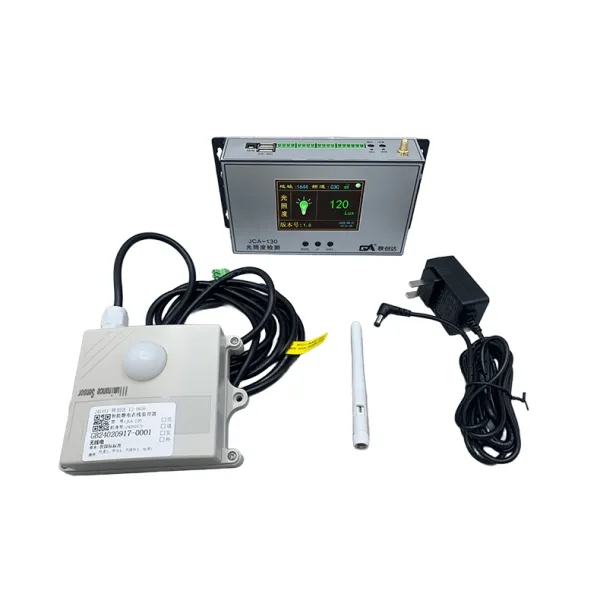


anti-static
Understanding Anti-Static Measures in Electronics and Industry Static electricity is a common phenomenon caused by the imbalance of electric charges on the surface of materials. In industries such as electronics, manufacturing, and cleanroom environments, uncontrolled static discharge can lead to significant damage, including component failure, data corruption, or even safety hazards. Anti-static measures are essential to prevent these risks by safely dissipating or neutralizing static charges. Sources of Static Electricity Static buildup occurs through friction, separation, or induction when two materials come into contact and then separate. Common examples include walking on carpets (triboelectric effect), unrolling plastic films, or handling electronic components. Dry environments exacerbate static generation because moisture in the air typically helps dissipate charges. Anti-Static Solutions To mitigate static-related issues, several strategies are employed: 1. Conductive and Dissipative Materials - Surfaces, flooring, and workstations are often made from conductive or static-dissipative materials (e.g., carbon-loaded plastics or rubber) to safely ground charges. - Anti-static bags, foam, or containers shield sensitive components by providing a Faraday cage effect. 2. Personal Protective Equipment (PPE) - Workers wear anti-static wrist straps, heel straps, or clothing (e.g., ESD-safe lab coats) to prevent human-body-induced discharges. 3. Humidity Control - Maintaining optimal humidity (40-60% RH) reduces static buildup by allowing moisture to carry away charges. 4. Ionization Technology - Ionizers neutralize static charges on non-conductive surfaces (e.g., plastics) by emitting balanced positive and negative ions. 5. Proper Grounding - Equipment and work surfaces are connected to a common ground to ensure charges dissipate harmlessly. Applications Anti-static measures are critical in: - Electronics Manufacturing: Prevents electrostatic discharge (ESD) damage to microchips and circuit boards. - Pharmaceuticals: Avoids particle attraction in sterile environments. - Explosive Handling: Eliminates ignition risks from sparks. Standards and Compliance International standards (e.g., ANSI/ESD S20.20, IEC 61340) define testing methods and requirements for anti-static products. Regular audits ensure workplace compliance. Conclusion Effective anti-static practices protect equipment, improve product reliability, and enhance workplace safety. By combining material science, grounding techniques, and environmental controls, industries can minimize the risks posed by static electricity. Continuous education and adherence to ESD protocols remain vital for maintaining static-safe environments. (Word count: 500)
ürün
sınıflandırma:
Arama sonucu yok!
Haber
sınıflandırma:
Technical knowledge
-
[Industry news]How to Use an Electrostatic Field Tester to Improve Product...
2025-11-12 16:28:05
Dava
sınıflandırma:
Arama sonucu yok!
Video
sınıflandırma:
Arama sonucu yok!
İndir
sınıflandırma:
Arama sonucu yok!
İşe Alım
sınıflandırma:
Arama sonucu yok!
Önerilen ürünler
Arama sonucu yok!



 Whatsapp
 Telefon