How to Use an Electrostatic Field Meter to Improve Product Quality
Absolutely. Using an electrostatic field meter to improve product quality represents a qualitative shift from "reactive detection" to "proactive control." It is not just a tool for identifying problems but a strategic asset for preventing issues and optimizing processes.
Here is a systematic method and strategy for leveraging electrostatic field meters to enhance product quality:
1. Understand the Core Principle: How Does Static Electricity Damage Product Quality?
Static electricity primarily damages products in two ways:
Electrostatic Discharge (ESD): An instantaneous discharge of current can directly destroy expensive electronic components (e.g., IC chips, transistors), causing immediate, catastrophic failure.
Electrostatic Attraction (ESA): Electrostatic fields attract microscopic particles from the air (dust, fibers, microbes). For products like precision optical lenses, semiconductor wafers, pharmaceutical packaging, and precision machinery, this leads to contamination, reduced performance, or lower yields, resulting in latent, chronic quality defects.
The role of the electrostatic field meter is to make these "invisible killers" visible, enabling their control.
2. A Systematic Application Process (PDCA Cycle)
You can systematically implement this work by following the Plan-Do-Check-Act (PDCA) cycle.
P - Plan: Identify Risks and Set Standards
Create an Electrostatic Risk Map:
Use the electrostatic field meter to conduct a comprehensive scan of your production line, assembly stations, storage areas, and transport pathways.
Focus on high-risk points: material friction zones (e.g., conveyor belts, packaging machines), operator stations, work surfaces, equipment housings, plastic items, and foam padding.
Mark the "hot spots" where the electrostatic field strength exceeds limits.
Establish Quantifiable static control Standards:
Sensitive Electronics Assembly Area: ≤ ±100V
General Electronics Area: ≤ ±500V
Non-Sensitive Packaging Area: ≤ ±1,000V ~ ±5,000V
Based on your product's sensitivity to ESD (e.g., referring to HBM/MM/CDM models or industry standards), set acceptable electrostatic field strength thresholds for different areas.
For Example:
Document these standards in your quality control procedures.
D - Do: Integrate Testing and Real-Time Monitoring
Evaluate Incoming Materials and Equipment:
Test newly purchased packaging materials, transport containers, tooling, chairs, and garments to ensure they do not introduce strong electrostatic charges.
Fixed-Point and Timed Testing at Key Processes:
Incorporate electrostatic field testing as part of the Standard Operating Procedure (SOP) at critical steps like SMT placement, chip bonding, product assembly, and final packaging.
Pre-Operation Check: Test the work surface, wrist straps, and tools before operators begin work.
In-Process Spot Checks: Periodically test the static charge on semi-finished products themselves.
Deploy Online Real-Time Monitoring Systems (Advanced Application):
Install Online electrostatic field monitors at the most critical stations (e.g., chip rework stations, precision cleaning benches).
These systems provide 24/7 uninterrupted monitoring. If the field strength exceeds the threshold, they immediately trigger audible/visual alarms, prompting the operator to stop, thus preventing defective units from moving to the next stage.
C - Check: Data Analysis and Trend Tracking
Record and Analyze:
Don't just record "Pass/Fail"; record the specific voltage values.
Use Statistical Process Control (SPC) methods to analyze trends in the static electricity data. A gradual increase in field strength at a station, even if still within limits, signals a potential issue (e.g., declining ionizer performance, low humidity) requiring preemptive maintenance.
Correlate with Quality Data:
Correlate static monitoring data with product first-pass yield, test failure rates, and specific defect types (e.g., breakdown, contamination).
If a specific defect rate increases while static electricity data from the same period is also abnormal, static electricity is a highly probable root cause.
A - Act: Implement Corrective and Preventive Actions
Take targeted actions based on the check results:
If Localized High Static Fields are Found:
Deploy ionizing blowers or ionizing bars to neutralize charge in that area.
Replace materials with anti-static alternatives (e.g., mats, flooring, packaging).
Enhance grounding measures to ensure all conductors (equipment, personnel) are properly grounded.
Adjust environmental humidity (typically maintained at 40%-60% RH is suitable).
If Personnel Operations are the Primary Source:
Strengthen ESD protection training.
Ensure workers correctly wear wrist straps and anti-static garments/footwear.
Install personnel testers at station entrances to ensure operators are discharged before starting work.
If Abnormal Trends are Detected:
3. Key Application Focuses in Different Industries
Electronics Manufacturing:
Goal: Prevent ESD damage.
Focus: Monitor workstations, soldering irons, vacuum pens, transport carts. Online monitoring is crucial.
Semiconductor and Wafer Fabrication:
Goal: Prevent ESA contamination and ESD damage.
Focus: Monitor photolithography areas, CMP areas, wafer handling systems, and the surface of cleanroom garments. Standards for field control are extremely stringent (may require below ±50V).
Pharmaceutical and Medical Products:
Goal: Prevent drug or packaging contamination from dust/microbes, and protect precision medical electronic equipment.
Focus: Monitor packaging machines, filling areas, and cleanroom environments.
Plastics and Printing Industries:
Goal: Prevent film or paper from jamming, misregistering due to static attraction, or attracting dust that affects print quality.
Focus: Monitor webs, rollers, cutting machines, and winders.
Summary
The core concept for improving product quality is transforming the electrostatic field meter from "a testing device stored in a toolbox" into "an active sensory organ integrated into the daily production process."
Through it, you can convert hard-to-trace "mysterious" quality defects into measurable, controllable, and manageable physical parameters. This ultimately enables you to prevent defects at their root cause, reduce scrap rates, and enhance product reliability and customer satisfaction.


 English
 Español
 Portugues
 Pусский
 Français
 Deutsch
 日本語
日本語 한국어
한국어 العربية
 Italiano
 Nederlands
 Polski
 ไทย
ไทย हिन्दी
 Indonesia
 Melayu
 Tiếng Việt
 বাংলা
বাংলা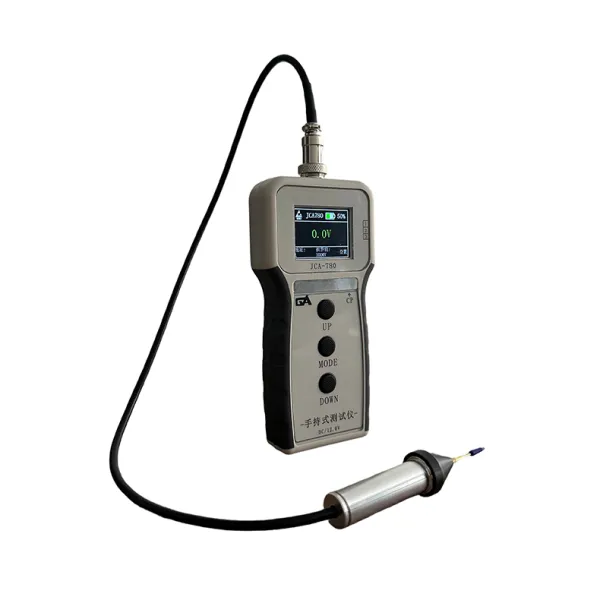 Portable Compact Isolated Conductor Tester - Precise Static Voltage Meter with Touchscreen Operation
 Touch-Operated Handheld ESD Tester - Accurate Static Detection Instrument
 Anti-Static High-Frequency Smart Soldering Station - Industrial-Grade Lead-Free Soldering Iron for Electronic Repair
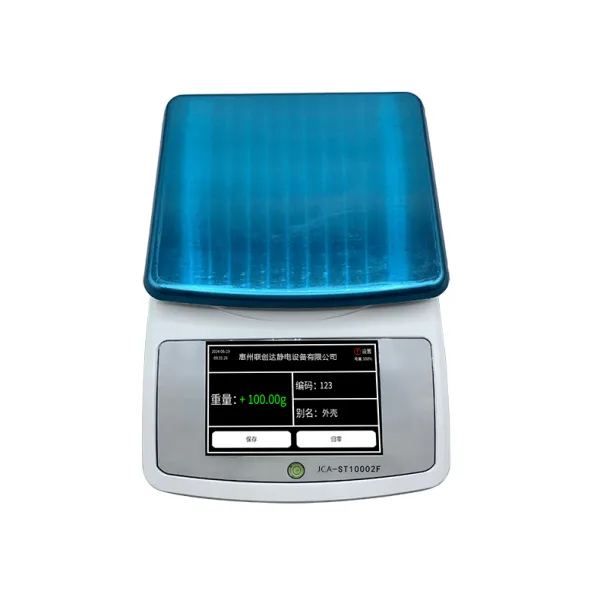 Lightweight Precision Industrial Scale - Portable High-Precision Weighing, QR Code Data Recording
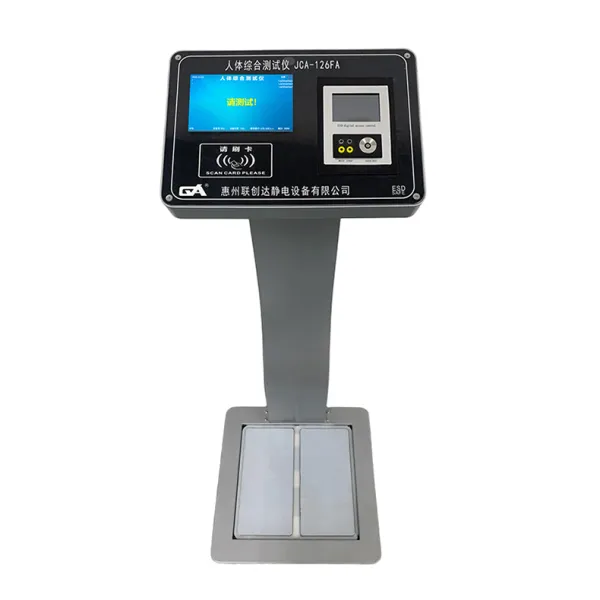 Pro ESD Human Body Comprehensive Tester - Anti-Static Access Gate with Biometric & Card Recognition
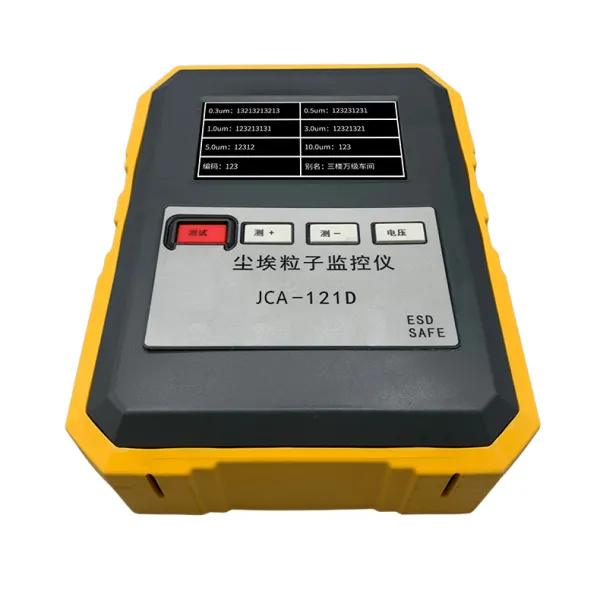 Lianchuangda Portable Particle Counter - Cleanroom-Specific Air Cleanliness Tester
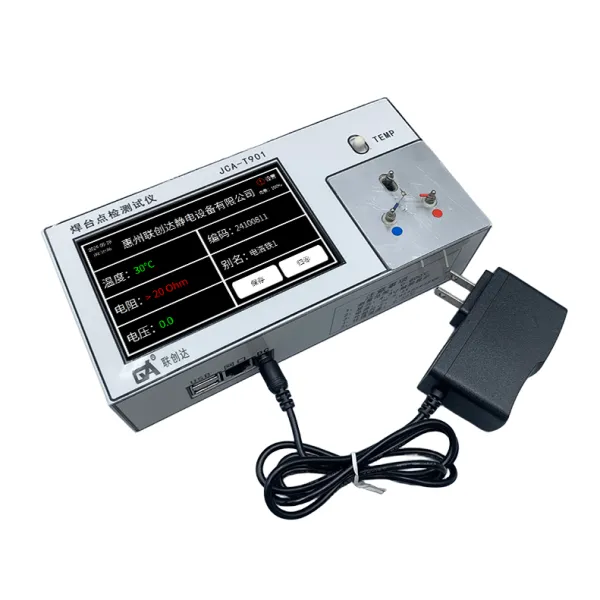 Lianchuangda Environmental Pressure Tester Wireless Digital Display & Grounding Monitoring
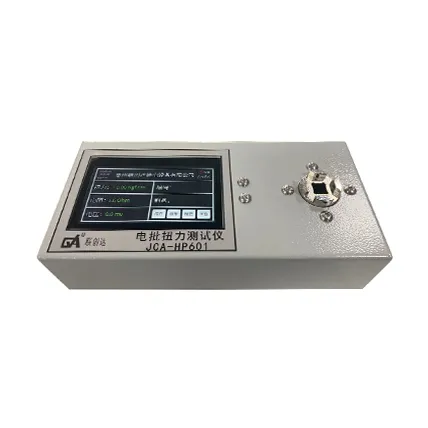 Digital Electric Screwdriver Torque Tester - Precise Measurement, Smart Data Storage
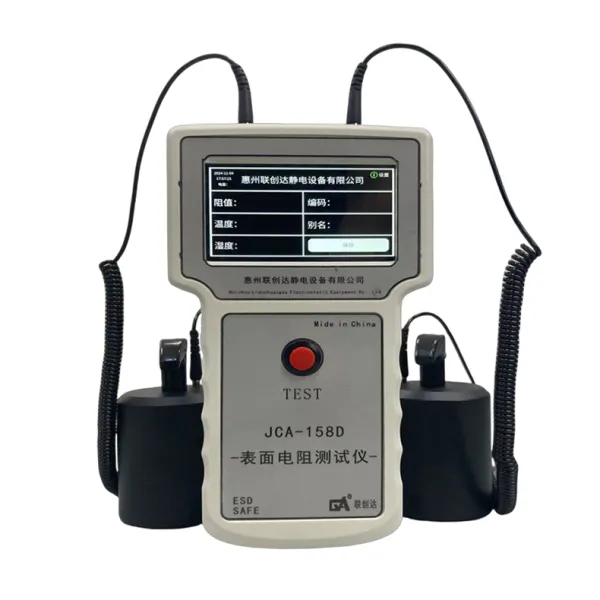 Portable Hammer Surface Resistance Tester - Smart Industrial Megohmmeter with Data Networking
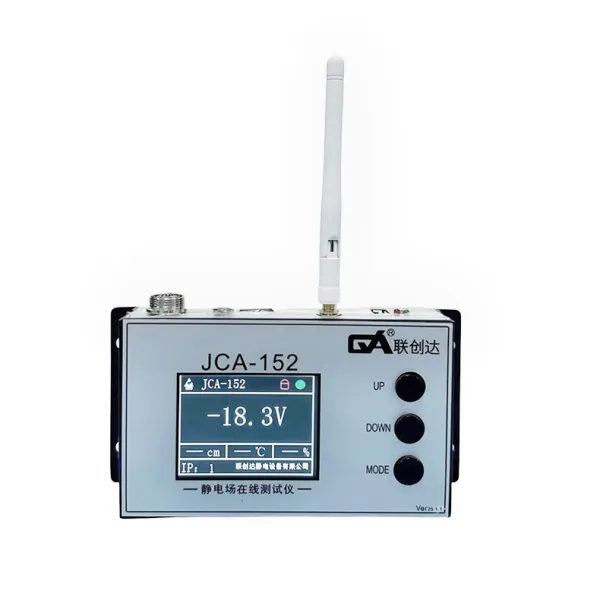 Wireless ESD Field Tester - Real-Time Voltage Monitoring, Easy Installation & Visual Operation
 Color Screen Wireless Ion Fan Static Tester with Voltage Measurement & Data Transmissio
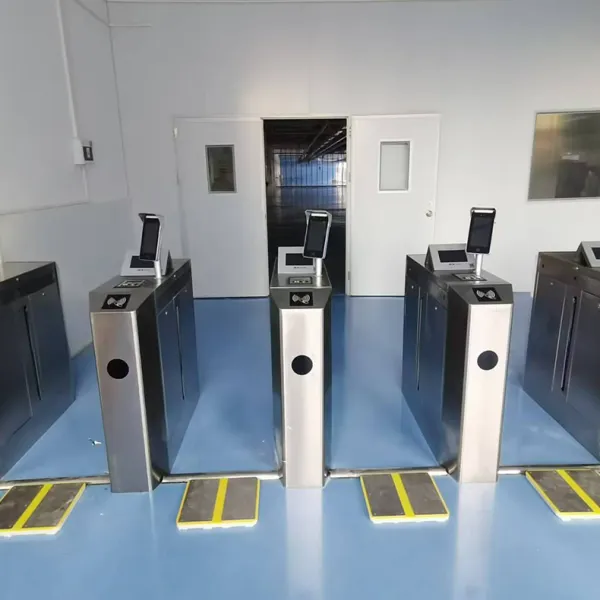 Lianchuangda Test Anti-static Access Control Turnstile JCA-S106 Supports MySQL Database
 Suspended 3-Head DC Ion Fan - Smart Quiet Static Eliminator, Customizable
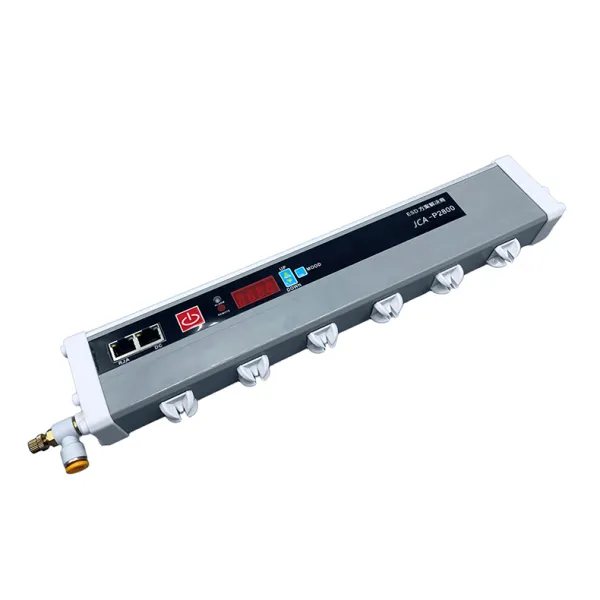 Pulse-Type ESD Ion Air Bar - Industrial-Specific Static Eliminator for ESD Removal
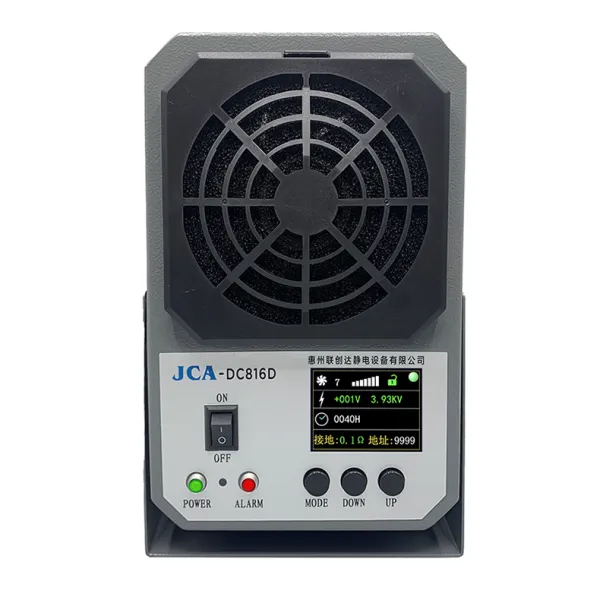 Lianchuangda Smart DC Ion Fan - Industrial-Grade Static Elimination for Factory Workshops
 Desktop DC Single-Head Ion Fan - Professional Static Eliminator with Wireless Network Connectivity
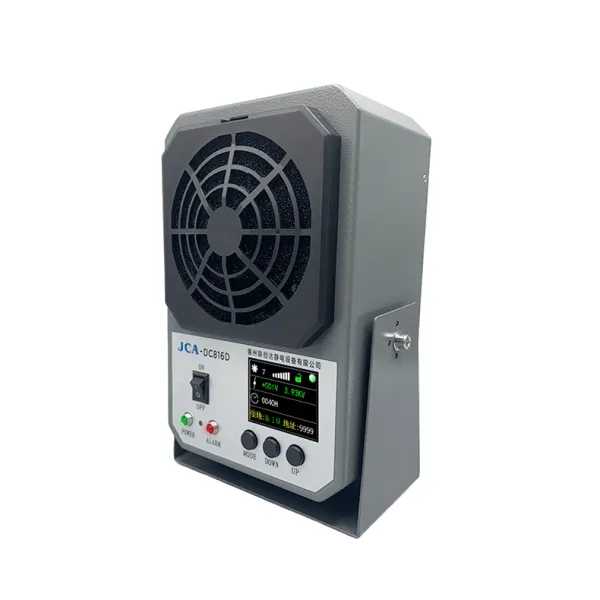 Intelligent DC Ion Fan Manufacturer Workshop Electronic Anti-Static Industrial-Grade Static Elimination Equipment
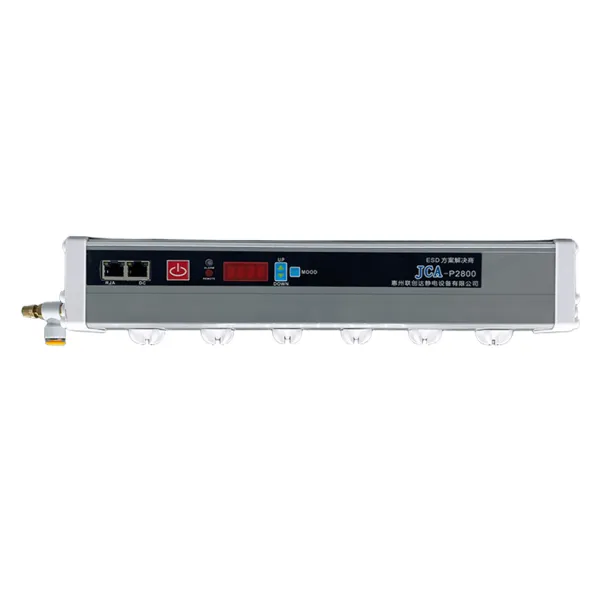 Industrial Static Elimination Pulse-type Anti-static Ion Air Bar Static Eliminator
 2.2-inch color screen three-air outlet ion fan static protection eliminates static electricity
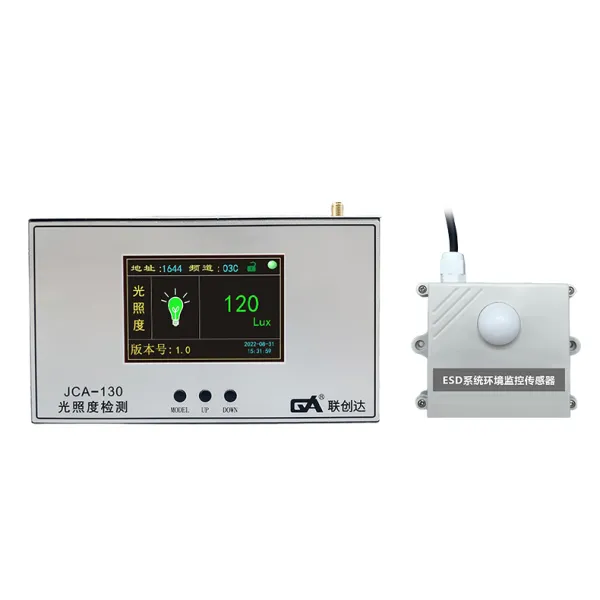 3.5 Inch Color LCD Wireless Digital Lux Meter - High-Precision Environmental Detector with Network Connectivity
 Smart Wireless Noise Detection Alarm System - Digital Tester for Environmental Monitoring with Networking
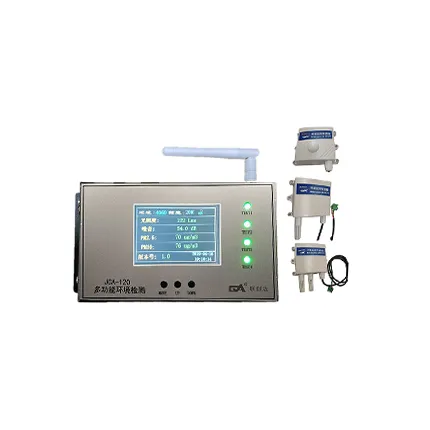 3.5 Inch Color LCD Wireless Multi-Functional Environmental Detector - Dust Particle Tester with WiFi Connectivity
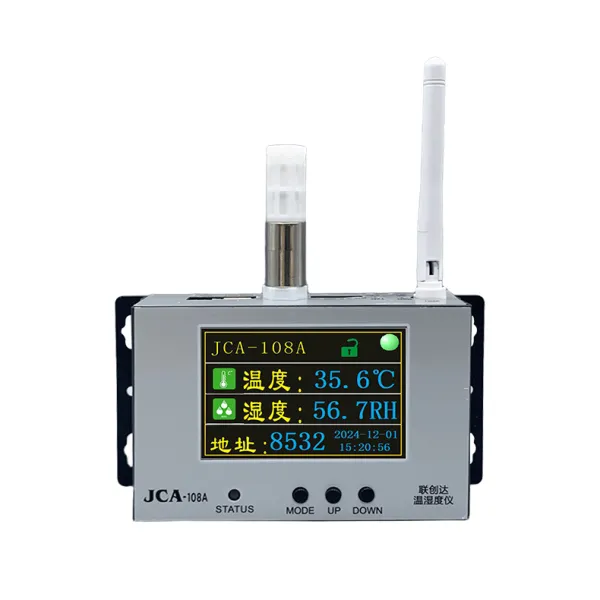 Wireless Temperature & Humidity Monitor - Smart Recorder with Remote Query & Data Transmission
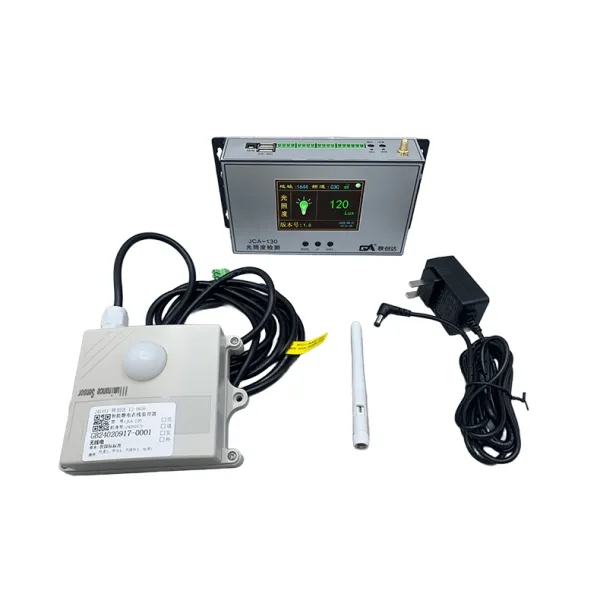 Lianchuangda Wireless Digital Display Illuminance Tester - 3.5-inch LCD Color Screen Dynamic Display High-Precision Environmental Tester



 Whatsapp
 Telefon
Yorum
(0)