


 English
 Español
 Portugues
 Pусский
 Français
 Deutsch
 日本語
日本語 한국어
한국어 العربية
 Italiano
 Nederlands
 Polski
 ไทย
ไทย हिन्दी
 Indonesia
 Melayu
 Tiếng Việt
 বাংলা
বাংলা


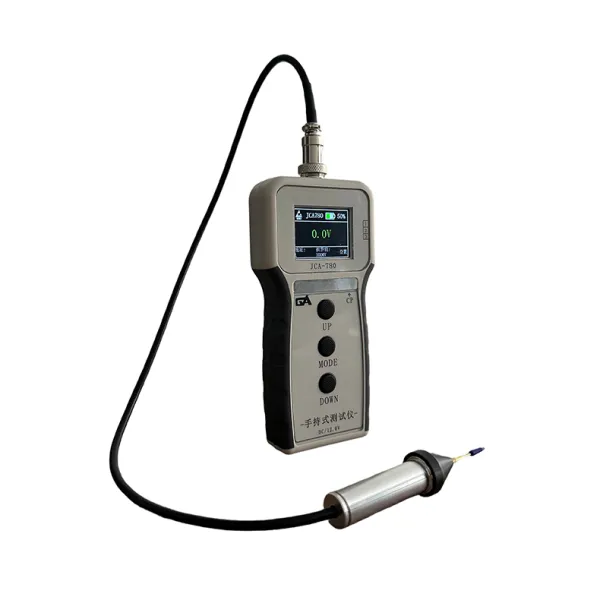


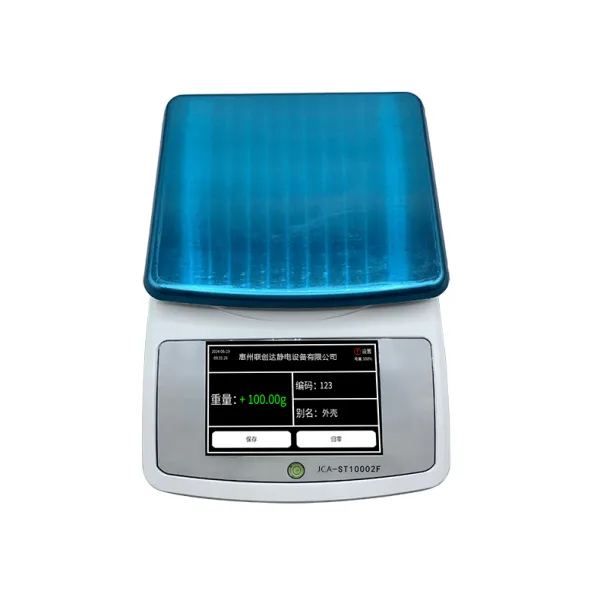
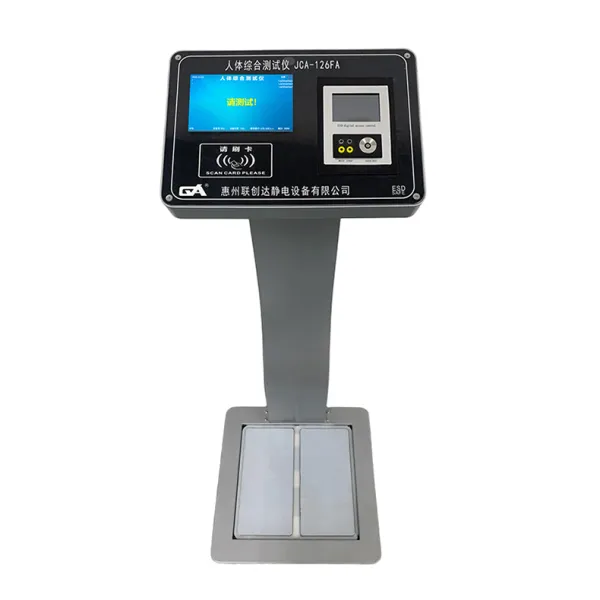
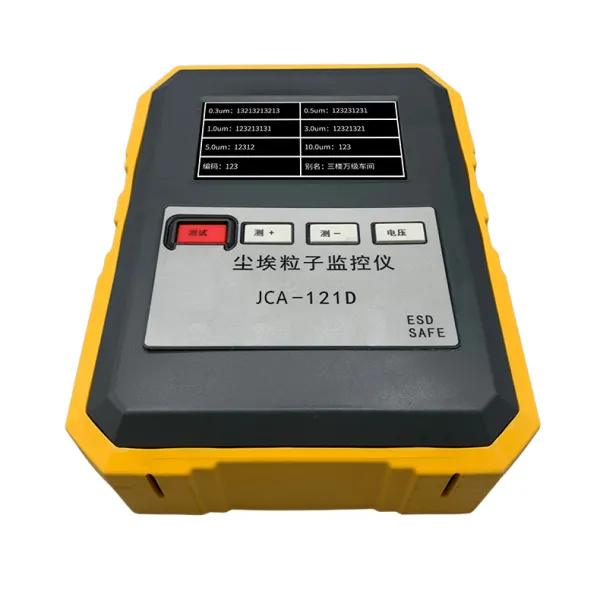
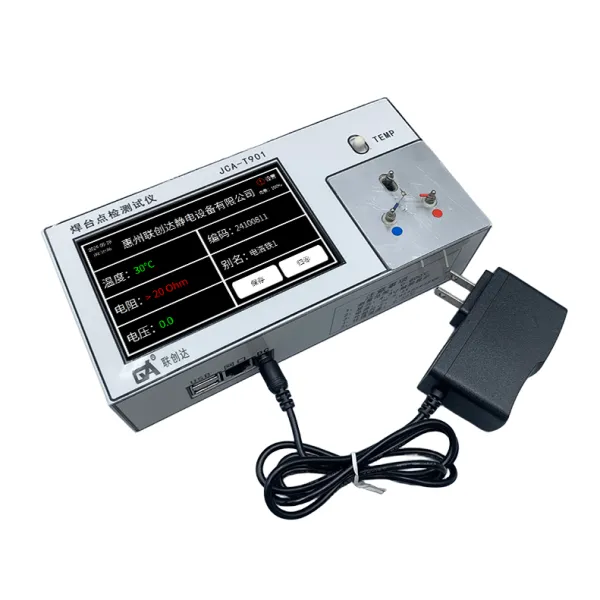
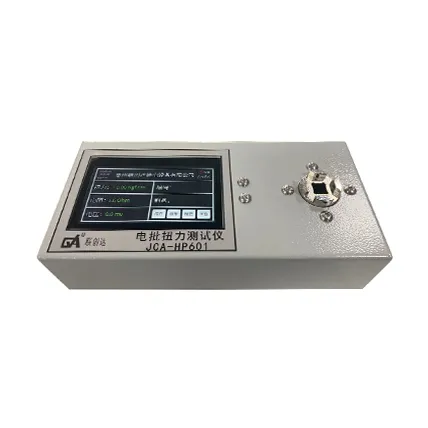
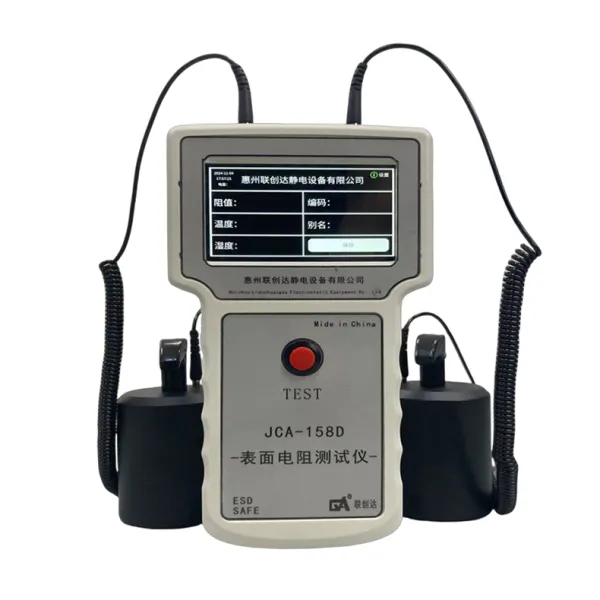
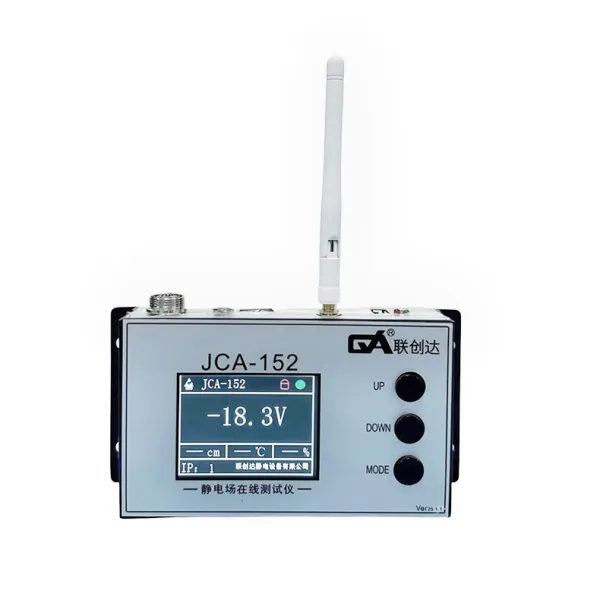



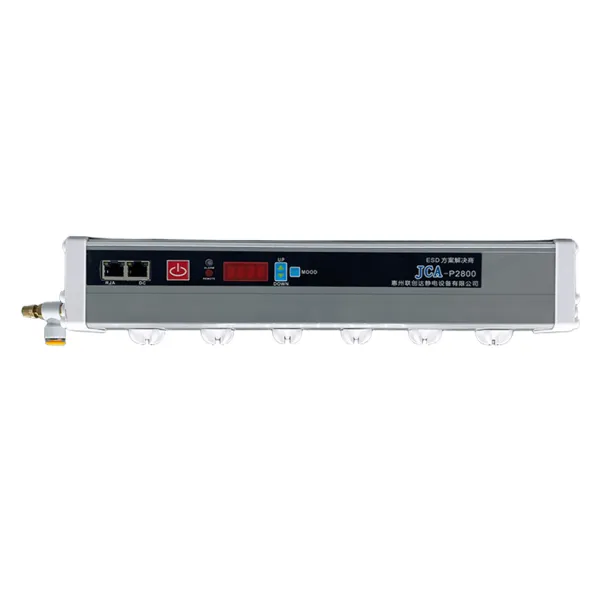

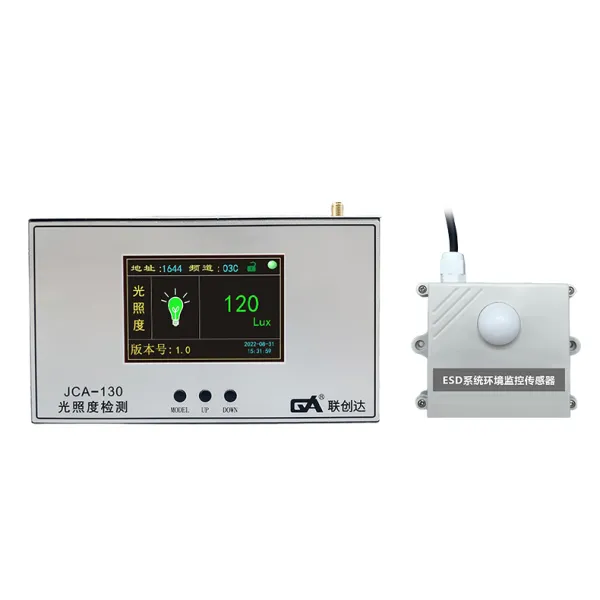

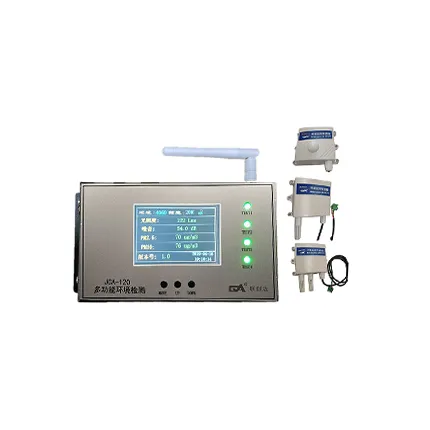
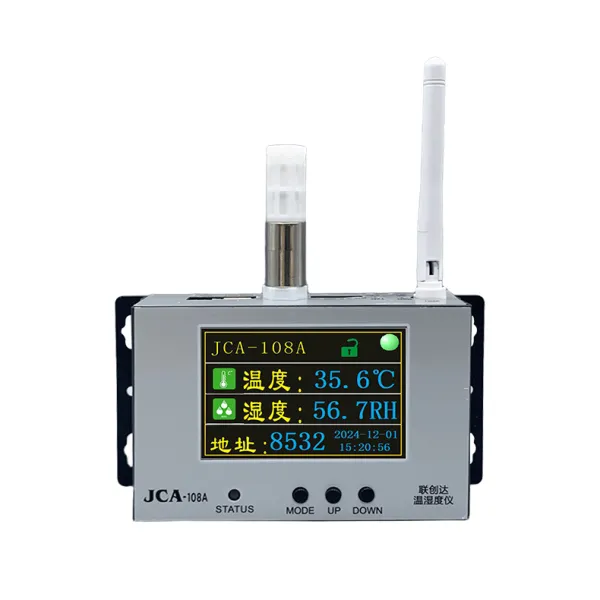
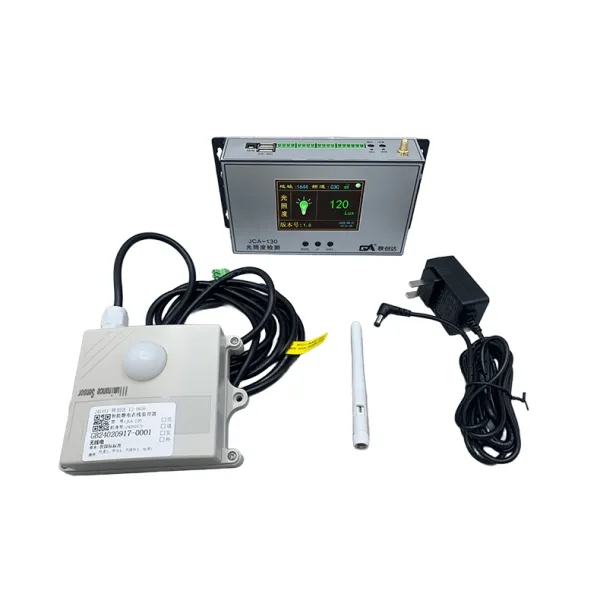


Static electricity detection
Static Electricity Detection: Principles and Applications Static electricity is the accumulation of electric charge on the surface of materials, often caused by friction, separation, or induction. Detecting static electricity is crucial in various industries to prevent hazards such as electrostatic discharge (ESD), which can damage sensitive electronic components, ignite flammable substances, or disrupt manufacturing processes. Principles of Static Electricity Detection Static electricity detection relies on measuring electric fields or charges. Common methods include: 1. Electrostatic Field Meters: These devices measure the strength of an electric field generated by static charges. They are non-contact tools that provide real-time readings, useful for identifying charge buildup on surfaces. 2. Charge Plates: A conductive plate collects static charges, and a connected electrometer measures the voltage or current, indicating charge levels. 3. Faraday Cups: Used in laboratories, these isolate and measure charges from small objects or powders. 4. Triboelectric Sensors: Detect static generated by friction, often used in research or quality control. Applications of Static Detection 1. Electronics Manufacturing: ESD can destroy microchips or circuit boards. Static detectors help monitor workstations to ensure safe handling. 2. Chemical and Pharmaceutical Industries: Sparks from static can ignite volatile solvents or dust. Detection systems prevent explosions. 3. Packaging and Printing: Static causes materials like plastic films or paper to stick or misalign. Sensors optimize production efficiency. 4. Aerospace and Automotive: Fuel handling and composite material processing require static control to avoid ignition risks. Challenges and Solutions - Environmental Factors: Humidity and temperature affect static buildup. Detection systems must account for these variables. - False Readings: Proper calibration and shielding are necessary for accuracy. - Integration with Safety Systems: Automated static detectors can trigger alarms or grounding mechanisms to neutralize charges. Future Trends Advancements in IoT enable wireless static monitoring, while AI-driven analytics predict charge accumulation patterns. Miniaturized sensors are being developed for wearable ESD protection in cleanrooms. Conclusion Static electricity detection is essential for safety and efficiency in multiple industries. By leveraging advanced sensors and real-time monitoring, businesses can mitigate risks and improve operational reliability. Continued innovation will further enhance static control in high-risk environments. (Word count: 500)
ürün
sınıflandırma:
Arama sonucu yok!
Haber
sınıflandırma:
Industry news
-
[Industry news]How to Use an Electrostatic Field Tester to Improve Product...
2025-11-12 16:28:05
Dava
sınıflandırma:
Arama sonucu yok!
Video
sınıflandırma:
Arama sonucu yok!
İndir
sınıflandırma:
Arama sonucu yok!
İşe Alım
sınıflandırma:
Arama sonucu yok!
Önerilen ürünler
Arama sonucu yok!



 Whatsapp
 Telefon